

2.2. Assessing Risks and Vulnerability to Climate and Weather Events
Climatic risk and vulnerability refer to the likelihood of adverse impacts on communities, ecosystems, or economies due to weather extremes, seasonal shifts, and long-term climate changes. In the past, risks from climatic events were relatively stable in a statistical sense, and humans had adapted their economic systems and infrastructure accordingly. However, climate change now appears to be accelerating and intensifying extreme events, increasing the need for adaptation and coping strategies. A first need is to understand how various factors—such as exposure to hazards, sensitivity of affected systems, and adaptive capacities—influence the overall risk and resilience of different regions and local communities to climate variability and change.
More info on Aspects of Climatic Vulnerability
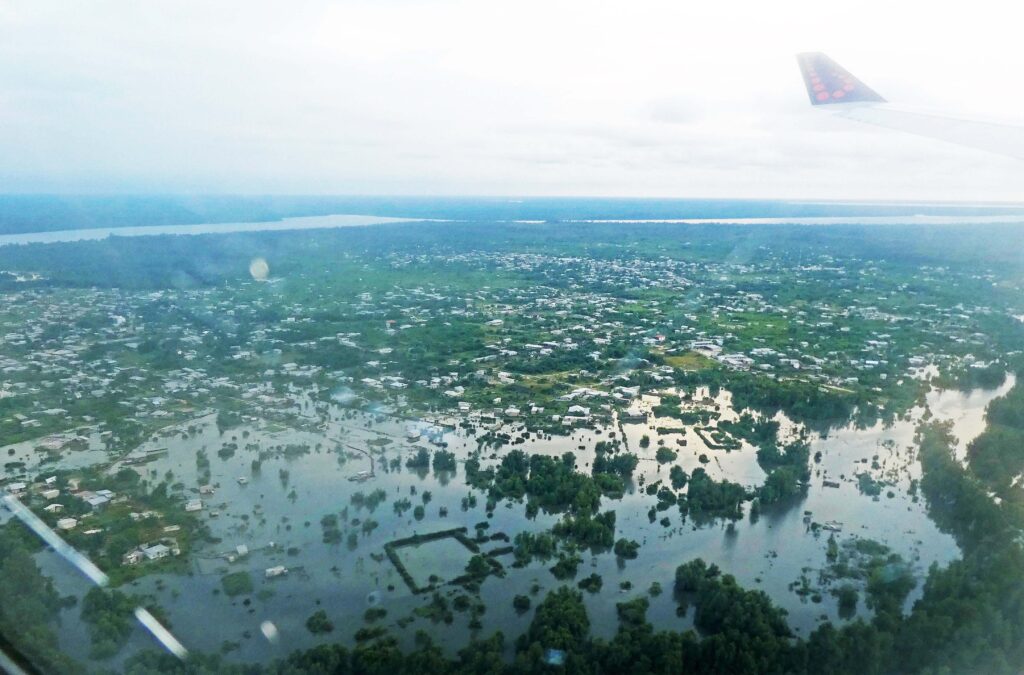
In response to the rising need for effective mitigation, a range of methods has been developed to assess climate-related hazards and vulnerability. They range from quantitative approaches, such as climate models and statistical risk indices, to qualitative techniques like stakeholder surveys and participatory vulnerability mapping. Together, these methods help identify at-risk areas, evaluate potential impacts, and guide decision-making for adaptive strategies that reduce exposure and enhance resilience to climate-related challenges.
More info on Methods for Analyzing Climatic Vulnerability
Over time, the diverse approaches and methods for assessing risk and vulnerability have coalesced into formal early warning systems (EWS) for climatic risk and vulnerability, built upon well-established methodologies. These play a crucial role in safeguarding food security, especially in countries of the Global South. Their main objective is to provide timely information about potential climate hazards, such as droughts, floods, and heatwaves, which can disrupt agricultural productivity and threaten food supply chains.
More info on Early Warning Systems for Climatic Risk and Vulnerability