

Theme 2 – Climate Analysis, Risk and Vulnerability Assessment
Climate analysis examines historical and projected data to understand climate change impacts, identifying trends in temperature, precipitation, and extreme weather events. It supports planning for adaptation and mitigation strategies while informing effective disaster interventions.
Risk and vulnerability assessments build on this by integrating socio-economic, environmental, and infrastructural factors to evaluate resilience. These insights guide policies, resource allocation, and preparedness to protect vulnerable populations, ecosystems, and infrastructure.
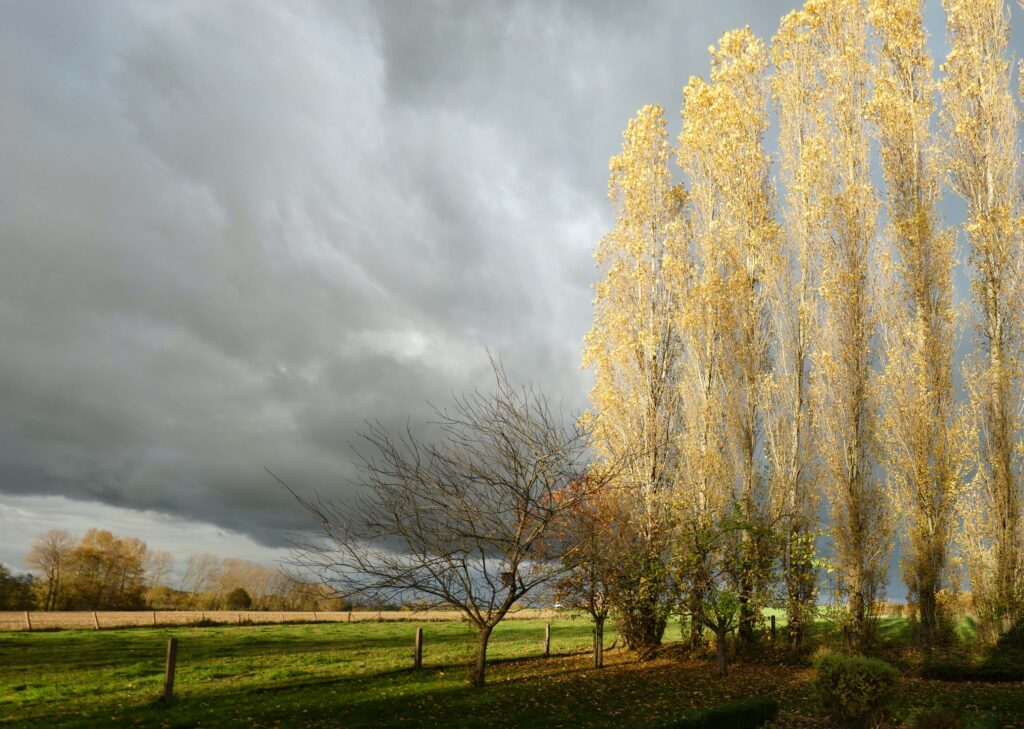
The following sections delve into fundamental concepts of weather and climate, including methods for assessing climatic variability and change. Exploring these aspects allows to gain a clearer understanding of how shifts in climate may impact the environment and society.
It will also be explained which factors make certain regions, ecosystems, or communities more susceptible to climatic impacts, along with the tools and methods used to evaluate vulnerability. These sections also emphasize the importance of early warning systems, which leverage real-time data and predictive models to anticipate risks and enable proactive responses. Together, these insights offer a comprehensive perspective on how climate affects us and how we can adapt to its challenges
TABLE OF CONTENTS
Theme 2. CLIMATE ANALYSIS, RISKS AND VULNERABILITY ASSESSMENTS
___2.1. Weather, seasons and climate
_______2.1.1. Climate classifications
_____________2.1.1.1. Major climate classification systems
_____________2.1.1.2. The Kõppen-Geiger classification of climatic zones
_____________2.1.1.3. The UNESCO system
_____________________2.1.1.3.1. List of Agroclimatic Zones according to the UNESCO system
_______2.1.2. Potential evapotranspiration
_______2.1.3. The growing period concept
_______2.1.4. Assessing climatic variability
_____________2.1.4.1. Precipitation statistics
_____________2.1.4.2. Standardized precipitation index
_____________2.1.4.3. Assessing variability of the growing period
_____________2.1.4.4. The ICARDA Agro-Climate Tool
_____________________2.1.4.4.1. Stochastic weather generators
_______2.1.5. Assessing climate change
_____________________2.1.5.1. The scientific consensus on climate change
_____________________________2.1.5.1.1. The IPCC
_____________________2.1.5.2. Assessing current climate change
_____________________________2.1.5.2.1. Some reanalysis datasets
_____________________________2.1.5.2.2. Fourier analysis
_____________________2.1.5.3. Perceptions of current climate change
_____________________________2.1.5.3.1. Comparing farmer perceptions and realities of climate change in Jordan
_____________________2.1.5.4. Assessing future climate change : projections
_____________________________2.1.5.4.1. Global climate models (GCMs)
________________________________________2.1.5.4.1.1.The Coupled Model Intercomparison Project Phase 6 (CMIP6)
_____________________________2.1.5.4.2. Socio-economic scenarios
________________________________________2.1.5.4.2.1.The SRES scenarios
________________________________________2.1.5.4.2.2. Representative Concentration Pathways (RCPs)
________________________________________2.1.5.4.2.3. Shared Socio-economic Pathways (SSPs)
____________________________________________________2.1.5.4.2.3.1. SSP245: Characteristics and consequences
__________________________________________________________________2.1.5.4.2.3.1.1. SSP245: Expected negative impacts
__________________________________________________________________2.1.5.4.2.3.1.2. SSP245: Expected positive impacts
_____________________________2.1.5.4.3. Downscaling
_______2.2. Assessing Risks and Vulnerability to Climate and Weather Events
____________2.2.1. Aspects of climatic vulnerability
____________2.2.2. Methods for analyzing climatic vulnerability
___________________2.2.2.1. Assessing the ‘exposure’ component of vulnerability
___________________2.2.2.2. Assessing the ‘sensitivity’ component of vulnerability
___________________2.2.2.3. Assessing the ‘adaptive capacity’ component of vulnerability
___________________2.2.2.4. Integrated Analysis of Vulnerability to Climate Risks: an example using ND-GAIN
____________2.2.3. Early Warning Systems
__________________2.2.3.1. National Early Warning Systems: objectives, approaches and challenges
_______2.3. My work in climate analysis, risk and vulnerability assessment